“What are the best travel affiliate programs?” — search this question and you’ll find dozens of articles listing the same programs, claiming they’re all “amazing opportunities” and “perfect for travel bloggers.” Most of these lists are copied from each other, written by people who’ve never actually run a travel website or earned a commission from these programs.
The reality is more nuanced. Yes, the travel industry generates trillions in revenue annually, and yes, affiliate marketing in this niche can be profitable. But not all programs are created equal, and the ones that pay the highest commissions aren’t necessarily the ones that make you the most money.
After analyzing commission structures, cookie durations, conversion rates, and actual payout experiences across multiple travel affiliate programs, I’ve identified the programs worth your time — and the ones you should approach with caution.

What Makes a Good Travel Affiliate Program?
Before diving into specific programs, let’s establish evaluation criteria. Too many affiliates chase high commission percentages while ignoring factors that actually determine earnings.
- Commission structure matters, but not how you think. A 50% commission sounds better than 4%, right? But if the 50% program has terrible conversion rates and the 4% program is Expedia with massive brand recognition, you’ll likely earn more from the lower commission.
- Cookie duration isn’t everything. Industry articles obsess over 30-day vs 7-day cookies, but travel bookings often happen quickly once someone decides. A 7-day cookie on a platform people trust can outperform a 30-day cookie on an unknown brand.
- Brand recognition drives conversions. Your audience might click your affiliate link, but if they don’t trust the booking platform, they’ll search for alternatives. Established brands convert better, even with lower commissions.
- Payment terms and thresholds matter. Some programs hold payments until trips are completed (potentially months after booking), others have high minimum payout thresholds, and a few actually pay reliably on schedule.
Now, let’s look at specific programs with these criteria in mind.
1. Booking.com — The Industry Standard
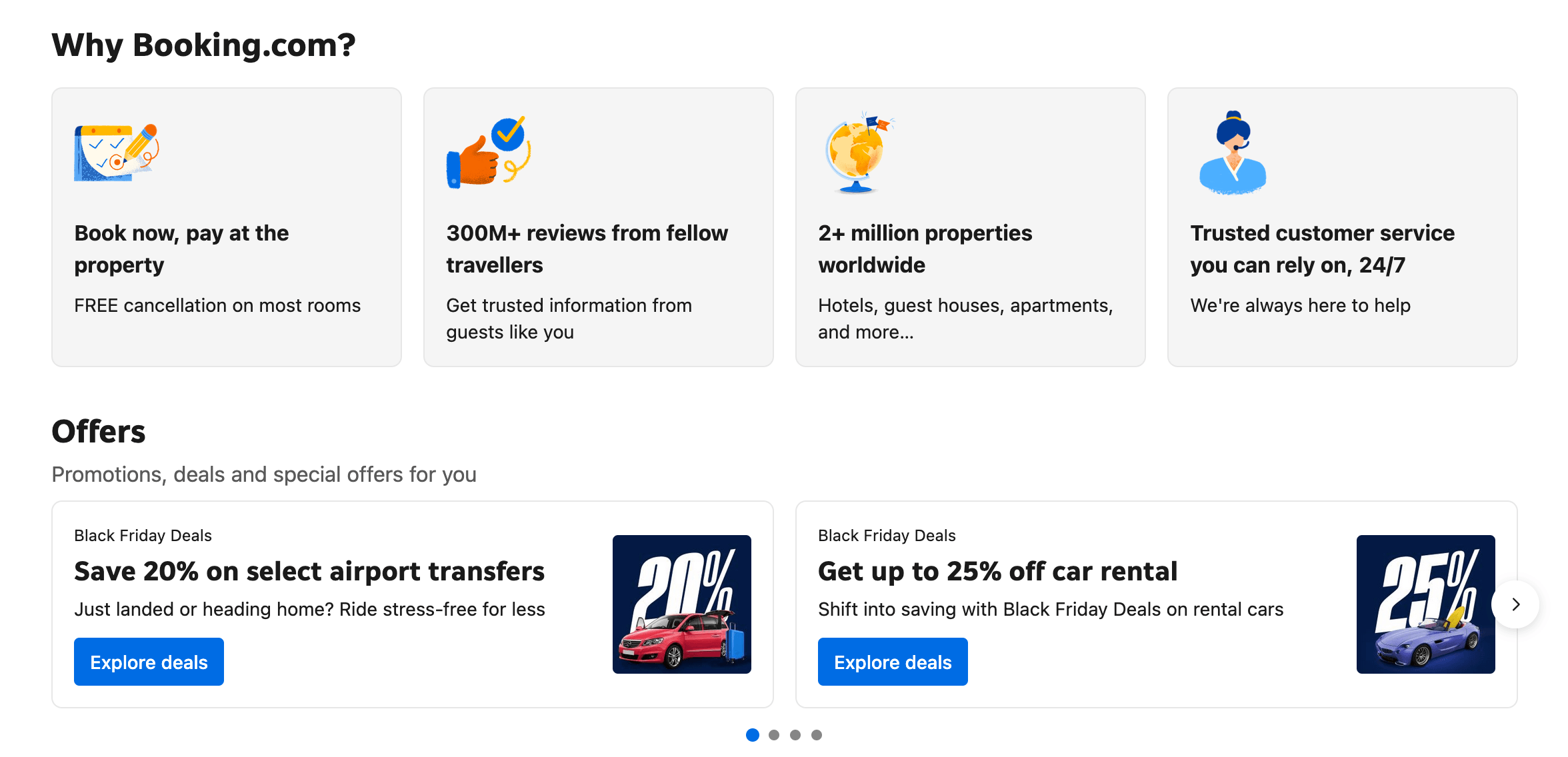
Booking.com operates what’s arguably the largest travel affiliate program globally, with 28+ million listings across hotels, apartments, and vacation rentals in 226 countries.
- Commission structure: You earn 25% of Booking.com’s commission, which works out to approximately 3-4% of the booking value. High-volume affiliates can reach 30-35% of Booking.com’s cut through performance tiers.
- Cookie duration: Here’s where it gets tricky. Booking.com uses “in-session” tracking, not traditional cookies. This means users must book during the same session they clicked your link. Come back tomorrow? You get nothing. This is significantly worse than even a 7-day cookie, despite what promotional materials claim.
- Payment terms: €100 minimum payout, monthly payments. But here’s the catch — you only get paid after guests complete their stay, not when they book. A summer booking in March gets paid in September or later.
The in-session tracking is a serious limitation. Your content needs to target people who are ready to book right now, not those in early research phases. Despite this, Booking.com’s brand recognition and massive inventory make it profitable for affiliates who understand how to use it effectively.
2. Expedia Group — Simplified But Limited
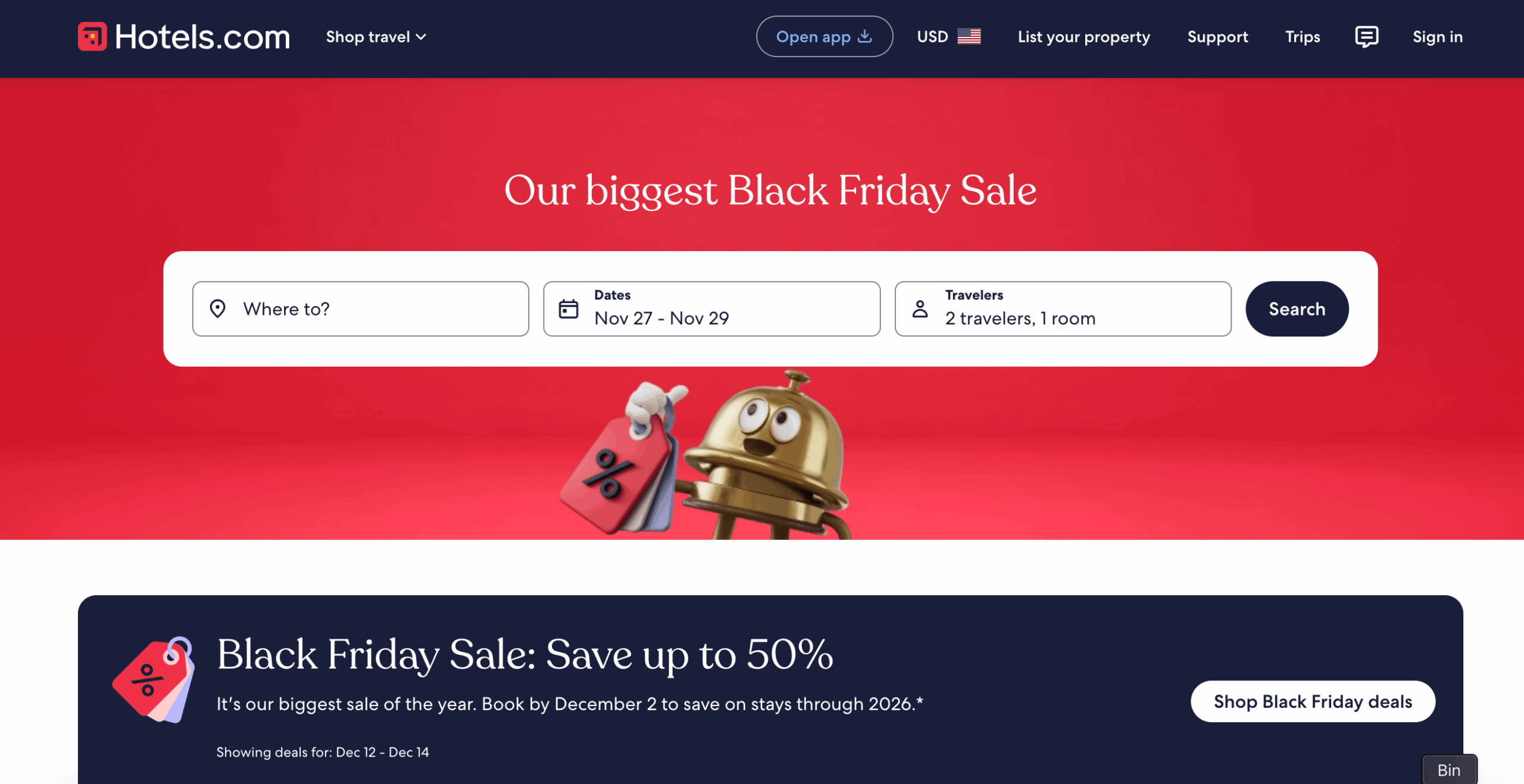
Expedia consolidated Hotels.com, Vrbo, and other properties under one affiliate program, making it easier to promote multiple brands through a single platform.
- Commission structure: 2-4% depending on the product type. Hotels typically earn 4%, vacation rentals 2%, car rentals 2%, activities 4%, cruises up to 6%.
- Cookie duration: 7 days, which is actually a traditional cookie, unlike Booking.com’s same-session requirement.
- Payment terms: Monthly payments with reasonable thresholds. Payments occur after trip completion, similar to Booking.com.
The commission percentages look modest compared to some competitors, but Expedia’s brand recognition drives strong conversion rates. The 7-day cookie is genuinely better than Booking.com’s in-session tracking for most content types. However, don’t expect premium earnings — this is a volume game.
3. Viator — Activities and Experiences
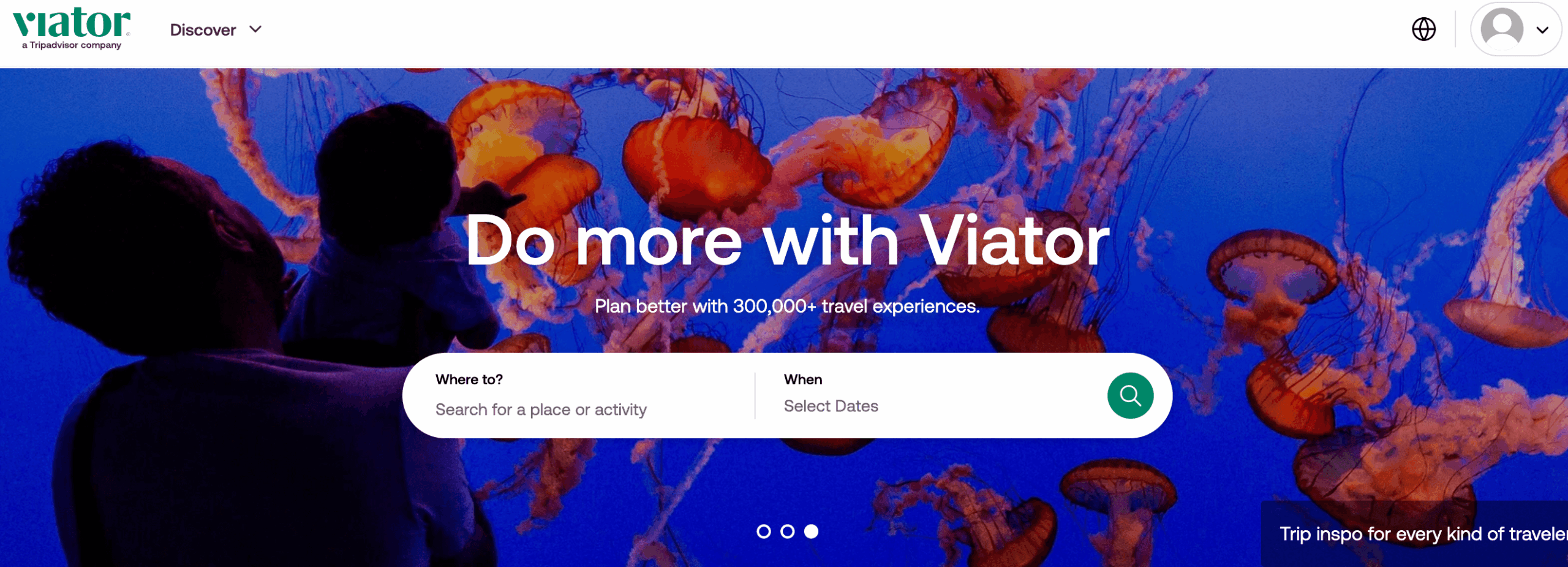
Viator specializes in tours, activities, and experiences with 300,000+ offerings in 2,500+ destinations. This is a different niche than accommodation, making it complementary rather than competitive with hotel programs.
- Commission structure: 8% on all bookings, which is competitive for the activities niche.
- Cookie duration: 30 days, giving users plenty of time to complete bookings after initial research.
- Payment terms: Weekly payouts, which is notably faster than most travel programs.
Viator’s strength is its focus on experiences that complement travel content naturally. If you’re writing destination guides, adding Viator links for local tours and activities makes sense and doesn’t require the immediate booking intent that Booking.com demands. The 8% commission and 30-day cookie make this one of the more favorable terms in travel affiliate marketing.
4. Travelpayouts — Aggregator Network
Travelpayouts isn’t a direct travel company but rather an affiliate network connecting publishers with multiple travel brands (hotels, flights, car rentals, insurance, tours).
- Commission structure: Varies by partner program within the network. Some offer competitive rates, others less so.
- Cookie duration: Varies by partner program.
- Payment terms: Consolidated payments from multiple programs through one dashboard. Minimum payout depends on payment method.
The main advantage is convenience — one platform for multiple affiliate programs. The disadvantage is that you’re not dealing directly with the brands, which means you’re trusting Travelpayouts to negotiate favorable terms on your behalf. Sometimes they do, sometimes they don’t.
For affiliates just starting out, Travelpayouts simplifies the process of joining multiple programs. For established affiliates who can negotiate directly with major brands, the value proposition diminishes.
5. TripAdvisor — The Controversial Choice
TripAdvisor operates differently than traditional booking platforms. You earn commissions when users click through to booking partners from TripAdvisor, not from direct bookings on TripAdvisor itself.
- Commission structure: 50% of TripAdvisor’s commission from the booking partner. This sounds generous until you realize TripAdvisor’s commission from hotels is often lower than Booking.com’s.
- Cookie duration: 14 days.
- Payment terms: Through affiliate networks like Commission Junction. $50 minimum payout.
Here’s what makes TripAdvisor interesting: you get paid for the click to the booking partner, not the completed booking. If someone clicks from your site to TripAdvisor, then clicks through to a hotel website, you earn — even if they don’t book. This dramatically increases conversion rates compared to programs requiring completed bookings.
However, the earnings per click are lower, and the model depends on TripAdvisor’s partnerships remaining strong. Use this as a supplementary program, not your primary monetization strategy.
The Programs to Approach with Caution
Not every popular program deserves your attention. Here are some widely-promoted options that have significant drawbacks:
- Agoda offers competitive commissions but primarily serves Asian markets. If that’s not your focus, conversion rates suffer.
- Sandals Resorts targets luxury all-inclusive resorts with 4% commissions. With average bookings around $2,000, earnings can be substantial — but only if your audience matches this luxury niche and Caribbean destination focus.
- Most airline affiliate programs offer terrible terms. Airlines know people will book flights directly, so they don’t incentivize affiliates well. Focus on accommodations and activities instead.
Commission Comparison Table
| Program | Commission | Cookie Duration | Payment Timing | Best For |
|---|---|---|---|---|
| Booking.com | 25-35% of platform cut (~3-4% of booking) | In-session only | After stay completion | Ready-to-book traffic |
| Expedia | 2-6% depending on product | 7 days | After trip completion | Brand-conscious travelers |
| Viator | 8% | 30 days | Weekly | Activities and experiences |
| Travelpayouts | Varies by program | Varies by program | Monthly, consolidated | Beginners wanting simplicity |
| TripAdvisor | 50% of platform cut | 14 days | Monthly via CJ | Research-phase traffic |
Strategic Recommendations
The biggest mistake travel affiliates make is trying to promote everything. Here’s a more effective approach:
- Match programs to content intent. Early-stage destination research? TripAdvisor works because you get paid for clicks to booking partners. Specific hotel recommendations? Booking.com or Expedia, because readers are closer to booking. Activity recommendations? Viator fits naturally.
- Don’t chase commission percentages. A 4% commission on Expedia with 5% conversion rates generates more income than 25% commission on an unknown platform with 0.5% conversion rates. Focus on programs that your audience actually uses.
- Test systematically. Run the same content with different affiliate programs and track actual earnings, not just clicks. You’ll often find that your assumptions about which programs work best are wrong.
- Consider seasonality. Travel bookings spike during specific months (January for summer trips, September for winter holidays). Plan content production around these cycles, and remember that payment delays mean you might not see earnings for 3-6 months after bookings occur.
- Read the terms carefully. Some programs prohibit bidding on branded keywords in paid search. Others restrict social media promotions. Violate these terms and you lose your account and unpaid commissions.
The Uncomfortable Truth About Travel Affiliate Marketing
Most articles about travel affiliate programs paint an overly optimistic picture. They mention “passive income” and show screenshots of big earnings without discussing the work required or the common pitfalls.
Here’s what those articles don’t tell you: most travel affiliates earn very little. The median monthly earnings are probably under $500. The averages look higher because a small percentage of affiliates earn substantial amounts, skewing the numbers.
- Competition is fierce. Every major travel keyword has dozens or hundreds of affiliate sites competing for rankings. Breaking through requires either exceptional content, significant SEO expertise, or a unique angle that hasn’t been exploited yet.
- Payment delays are real. With most programs paying only after trip completion, your summer bookings might not pay out until fall or later. This creates cash flow challenges, especially when starting out.
- Cancelation rates hurt. Free cancelation policies mean 30-40% of hotel bookings get canceled. You don’t earn commissions on canceled bookings, which significantly impacts actual earnings compared to booking volume.
- Platform changes can destroy your business. Affiliate programs change terms, reduce commissions, or shut down entirely. Building your business entirely on affiliate revenue is risky. Diversify income sources.
Getting Started the Right Way
If you’re still interested after understanding the challenges, here’s a realistic approach:
- Start with one program. Master Booking.com or Expedia before adding others. Learn how to create content that converts for that specific platform, then expand.
- Focus on a specific destination or travel style. Competing on “best hotels in Paris” is nearly impossible. “Best hotels in Paris for solo female travelers” or “where to stay in Paris’s 11th arrondissement” gives you a fighting chance.
- Create content for the right stage of the buyer journey. Early research content rarely converts bookings directly but builds audience and authority. Ready-to-book content converts but requires different SEO strategies.
- Track everything. Use analytics to understand which content drives bookings, which programs convert best for your audience, and where you’re wasting effort.
- Set realistic expectations. Plan for 6-12 months before seeing meaningful income. This isn’t a quick side hustle — it’s a long-term business requiring consistent effort.
Bottom Line
Travel affiliate programs can generate substantial income, but success requires strategic thinking, persistence, and realistic expectations. The programs with the highest commission percentages aren’t necessarily the most profitable. Brand recognition, conversion rates, and cookie terms often matter more than raw commission numbers.
Start with established programs like Booking.com, Expedia, or Viator. Master one before expanding. Create content matched to user intent and booking readiness. Track performance rigorously. And understand that building a profitable travel affiliate business takes time, effort, and patience.
The opportunity is real, but so are the challenges. Approach travel affiliate marketing as a serious business, not a passive income fantasy, and your chances of success increase dramatically.